Dhaka ·
  Thimphu ·
  Vancouver · Since 2012
Hotels in Bhutan sell in a way that generic sales advice rarely covers. Much of their business arrives through Bhutanese tour operators and the travel agents they work with abroad, while organisations in Thimphu and Phuentsholing book rooms and meeting space for workshops and visiting teams. Hotel CRM software in Bhutan has to reflect those relationships, not just store a list of names.
This guide looks at how business actually reaches a hotel or resort in Thimphu, Paro, Punakha or Bumthang, what a CRM needs to record as a result, and how to use it through the busy festival seasons and the quieter months. It ends with a checklist for choosing a system such as FLEX CRM.
How business reaches a Bhutanese hotel
A typical property deals with several very different buyers at once. Tour operators send international guests and groups on agreed itineraries, often months in advance, and adjust names and room lists as departure dates approach. Regional travellers may book through an agent, by phone or direct. Organisations book rooms and halls for trainings and workshops. Families book celebrations, and a growing share of individual guests find the hotel online.
Each of these has its own contact person, timeline and value. A CRM that treats them all as one undifferentiated list will not help much. The first step is to model your real customers: tour operators, travel agents, corporate and institutional accounts, and individual guests, with the people inside each.
What hotel CRM software in Bhutan needs to capture
Keep the data practical. Sales staff and reservation teams will only maintain what they can see a use for. FLEX CRM is built around a centralised, 360-degree view of each customer, which makes it easier to hold this information in one place. At minimum, record:
- The account: tour operator, travel agent, corporate or institutional client, or individual guest
- Key contacts within each account, with phone, email and preferred channel
- Agreed rates, contract dates and the itineraries or groups each operator usually sends
- Open enquiries and deals, with dates, room nights, meals and estimated value in Nu
- Every call, meeting and follow-up, with the next step and who owns it
- Guest preferences and occasions worth remembering on the next stay
Managing tour operators and travel agents
For many Bhutanese hotels, a small number of tour operators account for a large part of the year's business. These are relationships, not transactions. Track each operator's contacts, rates, booking history and open enquiries in one record, and schedule regular check-ins rather than waiting for them to call. When a key contact at an operator leaves, the CRM record means the relationship does not leave with them.
Pipeline tracking helps here. A group enquiry for the autumn season can move from first contact to rooms offered, confirmed and finally arrived, with every revision logged. Sales staff can see at a glance which enquiries are waiting for a reply, and the manager can see which operators are sending more business this year and which have gone quiet.
Corporate and institutional accounts in Thimphu
City hotels in Thimphu and Phuentsholing depend on organisations that hold meetings, trainings and workshops, and on companies that house visiting staff. These clients often book at short notice and expect the same contact person to handle everything, from rooms to the hall and meals.
FLEX CRM's task and activity management gives each account a clear owner and a list of follow-ups with due dates, so a request for a quotation does not sit unanswered while the sales manager is away. Integration with email and calendars keeps messages and meetings linked to the right account, and accounting integration helps the team see the commercial side of each relationship.
Planning for festival seasons and quieter months
Demand in Bhutan rises and falls with the seasons. Spring and autumn bring the busiest periods, with tshechu festivals in Paro, Thimphu and other dzongkhags drawing tour groups, while the monsoon and the coldest weeks of winter are usually quieter. Losar and school holidays shape domestic travel as well.
A CRM lets you plan around these patterns instead of reacting to them. Contact tour operators early about the next festival season, and use the quieter months to reconnect with corporate clients and past guests. FLEX CRM includes marketing automation, so a campaign to last year's festival groups or to local organisations can be prepared once and sent to the right list. Analytics and reporting then show which campaigns and which accounts brought bookings.
Turning first-time guests into repeat guests
Repeat guests and returning operators usually cost less to win than new ones. Keep a clean record of every stay, link it to the guest's contact details and preferences, and use it: a welcome back note, a room they liked, an offer timed to the season they usually travel.
Respect guests' choices. Ask before adding someone to marketing messages, make opting out easy and limit data access to the staff who need it. If your property also uses FLEX PMS, which offers an RRCO interface for tax reporting among its integrations, keep stay records and CRM records consistent so the sales team and the front office describe each guest the same way.
A checklist for choosing a hotel CRM in Bhutan
Use these questions when comparing systems and watching demos:
- Does it give a single view of each tour operator, agent, company and guest?
- Can it track group and corporate enquiries through clear pipeline stages?
- Does it manage tasks and follow-ups with owners and due dates?
- Can it run campaigns to selected segments before each season?
- Does it integrate with email, calendars and accounting?
- Can sales staff use it on their phones when away from the desk?
- Is support available from a team with an office in Bhutan?
Frequently asked questions
Why does a Bhutanese hotel need a CRM if it already has a PMS?
A PMS records stays and bills. A CRM manages relationships before and between stays: enquiries from tour operators, quotations for corporate clients, follow-ups and campaigns. In Bhutan, where so much business comes through a small number of operators and organisations, that layer is where repeat business is won or lost, especially when staff change or are on leave.
Can sales staff use FLEX CRM on a phone?
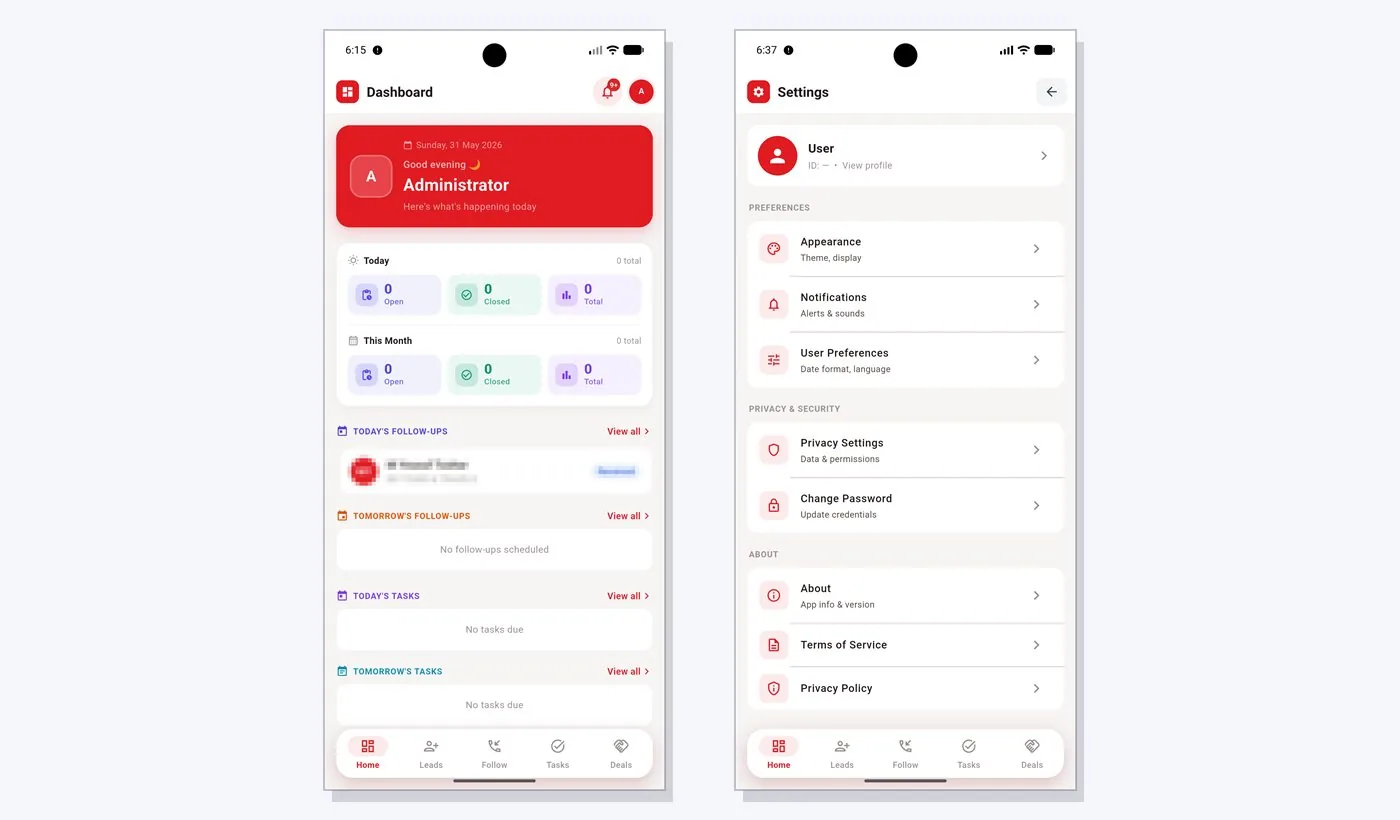
Yes. Mobile accessibility is one of the system's core features, so sales staff can check accounts, update deals and record follow-ups while visiting a tour operator's office or a client in Thimphu. That keeps the record current, rather than relying on notes typed up at the end of the day.
Is a CRM worth it for a small resort or guest house?
Often, yes. Scalability is one of the system's stated benefits, so a single resort or guest house can start with a simple setup and add users and campaigns as it grows. Smaller properties may benefit most, because a CRM keeps their few but valuable operator and guest relationships organised when the person who manages them is unavailable.
Does FLEX have local support in Bhutan?
Yes. FLEX InfoTech Limited has an office in Thimphu as well as its head office in Dhaka, and has worked with hotels and resorts since 2012. More than 130 hotels and resorts use FLEX. The company offers 24/7 after-sales support and a free demo, so you can see FLEX CRM working with your own types of customers first.